Buddhist Approach to Grief and Loss: Working with Bereavement Mindfully
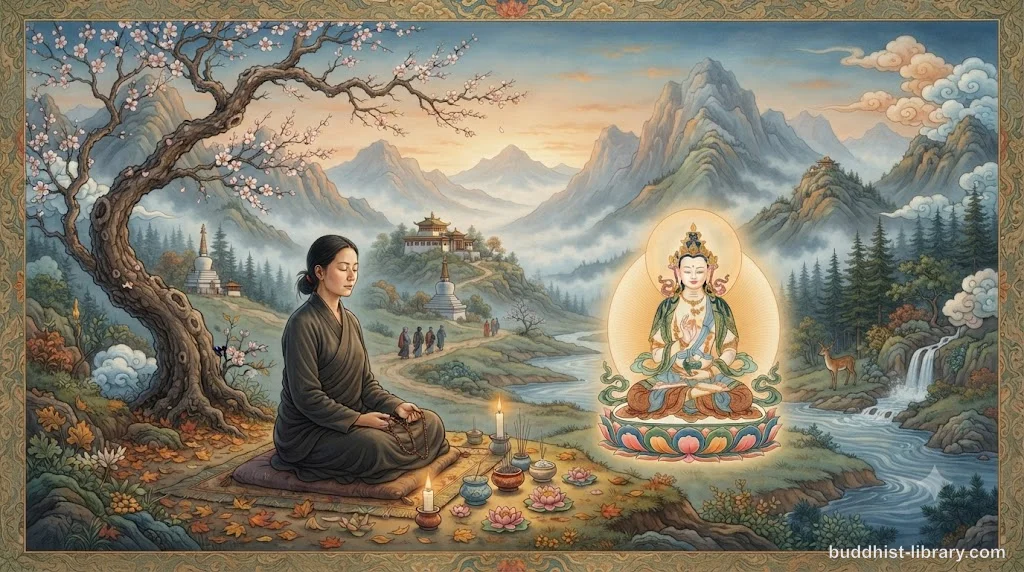
Grief is one of the most universal human experiences, yet Buddhism offers no magic cure for the pain of loss. Instead, it provides practical tools to meet bereavement with clarity, compassion, and wisdom—transforming raw pain into a path of deeper understanding and eventual peace.
The Buddha never promised that awakening would eliminate grief. He promised something more honest: a way to work with suffering skillfully, so that loss doesn’t compound into prolonged anguish.
This distinction matters. Buddhism doesn’t ask you to bypass your grief or transcend it prematurely. It asks you to turn toward it with the same mindful attention you’d bring to meditation.
Why Does Grief Hurt So Much? The Buddhist View of Loss
Grief hurts because we are wired for connection, and loss severs that connection abruptly. Buddhism locates the source of grief’s intensity not in the fact of loss itself—which is inevitable given impermanence—but in our relationship to that loss.
The Buddha taught that suffering (dukkha) arises when we resist reality as it is. In the Aṅguttara Nikāya 8.6, he identifies grief (soka) alongside lamentation and despair as forms of suffering that arise from the “eight worldly conditions”—gain and loss, fame and disrepute, praise and blame, pleasure and pain. We cannot control these conditions, but we can change how we meet them.
Grief becomes suffering when it’s entangled with:
- Clinging (upādāna): desperately wishing the person were still here, replaying “what ifs”
- Resistance (paṭigha): denying the reality of the loss, refusing to accept impermanence
- Identification (sakkāya-diṭṭhi): believing “I have lost a part of me,” which intensifies the wound
The pain of separation is real.
But the additional layer—where grief becomes stuck, chronic, overwhelming—is optional. Buddhist practice addresses that second layer.
How Do We Work with Grief Mindfully?
Working with grief mindfully means applying the same principles we use on the meditation cushion: observe without judgment, allow what is present, and respond with wisdom rather than reactivity.
1. Allow the Grief to Be Felt
Suppression doesn’t work.
The Buddha wasn’t advocating for emotional stoicism—he was teaching clear seeing. In the Satipaṭṭhāna Sutta, he instructs practitioners to observe feelings (vedanā) as they arise: pleasant, unpleasant, or neutral. Grief is an unpleasant feeling. The practice is to know it as such without adding a layer of aversion.
Sit with the grief. Notice where it lives in your body—the tightness in the chest, the heaviness in the belly, the ache behind the eyes. Name it silently: “This is grief. This is sadness.” This simple act of naming creates space between you and the emotion, so you’re no longer consumed by it.
2. Remember Impermanence (Anicca)
Every meditation on impermanence is also a preparation for loss. When the Buddha taught that all conditioned things are impermanent, he wasn’t being pessimistic—he was pointing to a liberating truth. If you deeply understand anicca, you can grieve fully and let go.
Reflect: “This loved one was never mine to keep forever. All meetings end in parting. This is the nature of existence.” This isn’t cold detachment; it’s reality. Accepting impermanence doesn’t diminish love—it enriches it by stripping away the delusion that we can hold onto anything permanently.
Thanissaro Bhikkhu writes: “The grief that comes from clinging is compounded grief. The grief that comes from simply recognizing the truth of separation is clean pain, and it passes” (dhammatalks.org).
3. Practice Mettā for Yourself and the Deceased
Loving-kindness (mettā) is one of the most powerful grief practices. Direct mettā first toward yourself: “May I be kind to myself in this pain. May I find peace.” Self-compassion is not indulgence—it’s a necessary foundation for healing.
Then extend mettā toward the person who has died: “May you be at peace. May you be free from suffering.” In Theravāda practice, this is not prayer in a theistic sense but a way of honoring the connection while releasing the clinging.
If the deceased was difficult or the relationship complicated, mettā can soften resentment and regret. Even if reconciliation wasn’t possible in life, you can still release the knot of ill will internally.
4. Use Death Awareness (Maraṇasati) to Reframe
Death contemplation (maraṇasati) is a traditional Buddhist practice that sounds morbid to modern ears. It’s not. It’s profoundly life-affirming.
Regularly reflecting on death—your own and others’—makes you less shocked when it arrives and more appreciative of the present moment.
After a loss, maraṇasati can shift perspective: “Death came for them. It will come for me. This is the universal truth.” Far from being depressing, this reflection cuts through the illusion of permanence and makes each remaining day more vivid and precious.
5. Ritualize Letting Go
Buddhism is rich with rituals around death and remembrance—offerings, chanting, merit-making ceremonies. Even if you’re not part of a Buddhist community, you can create personal rituals that honor the deceased while affirming impermanence.
Light a candle. Offer flowers that will wilt, symbolizing anicca. Recite the Metta Sutta or simply sit in silence. Write a letter to the person expressing gratitude, regret, or love, then release it (burn it, bury it, or let it go symbolically).
Ritual provides structure when the mind is chaotic and gives grief a container so it doesn’t leak into every corner of life.
What About “Moving On”? The Buddhist View of Healing
Buddhism doesn’t promise you’ll “get over” a significant loss. You don’t erase someone from your heart. But you can transform the relationship from one of grasping to one of gratitude.
Healing in a Buddhist sense means:
- No longer resisting the reality of the loss: you stop wishing it hadn’t happened
- Releasing the clinging: you no longer define yourself by the absence
- Integrating the experience: the loss becomes part of your story but not the whole story
This doesn’t happen on a schedule. Grief comes in waves, especially in the first year as you encounter birthdays, holidays, and anniversaries. The practice is to meet each wave with the same mindful presence, knowing that it will crest and recede.
Can We Love Without Attachment?
A common confusion: if attachment (upādāna) causes suffering, should Buddhists avoid deep relationships to prevent grief?
No.
Buddhism distinguishes between healthy affection and unskillful clinging. You can love someone fully while understanding that they are impermanent. You can cherish connection without demanding it last forever. The practice is to hold relationships lightly—not indifferently, but without the desperate grasping that says, “This must never change.”
In the Visuddhimagga, the commentator Buddhaghosa describes the difference between “greed-love” (based on craving) and “wisdom-love” (based on respect for the other’s welfare). Wisdom-love allows for grief when loss occurs, but it doesn’t compound that grief with “if only” and “why me?”
Practical Steps for Working with Bereavement
Here’s a distilled practice guide for those in acute grief:
- Daily mindfulness of breathing (10–20 minutes): anchor in the present when grief pulls you into past regrets or future fears
- Mettā practice (5–10 minutes): direct loving-kindness toward yourself, the deceased, and all beings experiencing loss
- Body scan meditation: notice where grief lives in the body; breathe into those areas with compassion
- Contemplation of impermanence: once a day, reflect briefly on anicca—not to numb the pain but to soften resistance
- Journaling: write freely about the loss, the memories, the ache—externalize the grief so it doesn’t circle endlessly in your mind
- Ritual: create a small daily practice (light a candle, sit in silence, recite a verse) as a container for remembrance
If grief becomes overwhelming—persistent inability to function, suicidal ideation, or prolonged major depression—seek professional support. Buddhism is a complement to, not a replacement for, clinical care.
FAQ: Common Questions About Buddhism and Grief
Is it wrong to feel grief in Buddhism?
No. Grief is a natural human response to loss. The Buddha acknowledged suffering (dukkha) as part of existence and taught us to work with it skillfully, not suppress it. The goal is not to eliminate grief but to prevent it from turning into prolonged suffering through clinging and resistance.
How does understanding impermanence help with grief?
Recognizing that all things are impermanent (anicca) helps us accept the reality of loss without adding unnecessary resistance. When we deeply understand that change is inevitable, we can grieve fully while also letting go, rather than clinging to what cannot be held.
What meditation practices help with bereavement?
Mettā (loving-kindness) meditation directed toward yourself and the deceased, mindfulness of breathing to anchor during emotional waves, and contemplation of impermanence can all support the grieving process. Body scan meditation also helps process grief held in the body.
Should Buddhists avoid attachment to prevent future grief?
Buddhism teaches reducing unskillful clinging (upādāna), not avoiding genuine love and connection. Healthy relationships can coexist with the understanding that all things are impermanent. The practice is to love fully while holding everything lightly.
Does Buddhism believe in an afterlife?
Traditional Buddhism teaches rebirth (saṃsāra) based on karma, but interpretations vary across Theravāda, Mahāyāna, and secular Buddhist communities. The more important point for grief work is this: whether or not the person is reborn, your task is to release clinging and find peace with impermanence.
Conclusion: Grief as a Teacher
Loss is one of life’s most profound teachers. It shatters our illusions of control and permanence. It opens the heart in ways joy alone cannot. The Buddhist path doesn’t ask you to harden yourself against grief—it asks you to soften into it, to feel it fully without being destroyed by it.
In grief, we practice what the Buddha taught: that suffering is real, that it has a cause, that it can end, and that there is a path forward. That path is not about “getting over it” but about learning to carry loss with wisdom, compassion, and grace.
Read more:
- Impermanence (Anicca): Why Everything Changes — understanding the teaching at the heart of Buddhist grief work
- Mettā: The Practice of Loving-Kindness — step-by-step instructions for cultivating compassion toward yourself and others during difficult times
- Maraṇasati: Death Awareness Meditation in Buddhism — how contemplating mortality can transform your relationship with life and loss
📖 Source / license: Aṅguttara Nikāya 8.6 (Bhikkhu Bodhi translation, Wisdom Publications); Thanissaro Bhikkhu, 'The Wings to Awakening' (dhammatalks.org)
Frequently asked questions
Is it wrong to feel grief in Buddhism?
No. Grief is a natural human response to loss. The Buddha acknowledged suffering (dukkha) as part of existence and taught us to work with it skillfully, not suppress it. The goal is not to eliminate grief but to prevent it from turning into prolonged suffering through clinging and resistance.
How does understanding impermanence help with grief?
Recognizing that all things are impermanent (anicca) helps us accept the reality of loss without adding unnecessary resistance. When we deeply understand that change is inevitable, we can grieve fully while also letting go, rather than clinging to what cannot be held.
What meditation practices help with bereavement?
Mettā (loving-kindness) meditation directed toward yourself and the deceased, mindfulness of breathing to anchor during emotional waves, and contemplation of impermanence can all support the grieving process. Body scan meditation also helps process grief held in the body.
Should Buddhists avoid attachment to prevent future grief?
Buddhism teaches reducing unskillful clinging (upādāna), not avoiding genuine love and connection. Healthy relationships can coexist with the understanding that all things are impermanent. The practice is to love fully while holding everything lightly.