How to Do a Personal Buddhist Meditation Retreat: A Practical Guide
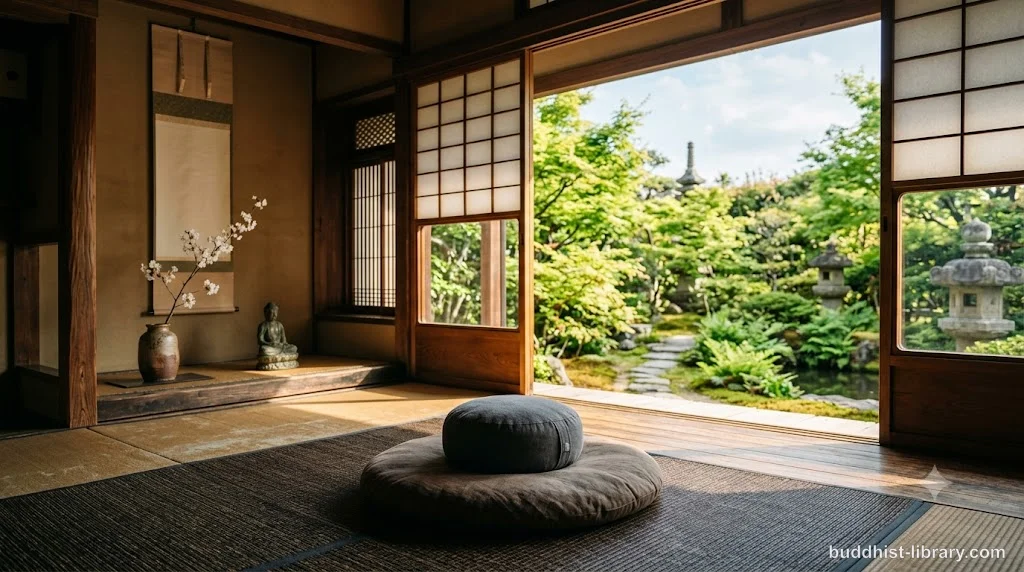
A personal Buddhist meditation retreat is dedicated time—from one day to several weeks—spent in intensive meditation practice, often in silence and solitude. It deepens concentration, insight, and spiritual development by removing daily distractions and immersing you fully in the Dhamma.
The Buddha himself spent extended periods in secluded meditation, both before his enlightenment and throughout his teaching career. He encouraged monastics to engage in forest retreats (vana-vāsa) and solitary practice (paṭisallāna). This tradition continues today, with laypeople and monastics alike undertaking personal retreats as a vital part of the path.
Why Do a Personal Meditation Retreat?
Personal retreats offer benefits that daily practice alone cannot provide:
- Deepened concentration: Sustained practice without interruption allows samādhi to strengthen naturally
- Insight development: Continuous mindfulness reveals patterns of mind and conditioned phenomena clearly
- Spiritual momentum: Days of practice build on each other, creating breakthrough experiences
- Freedom from social roles: Temporary renunciation of worldly duties mirrors monastic life
- Direct testing: Retreat conditions reveal how well your practice holds under sustained attention
The Pāli Canon describes the Buddha’s own retreat practice: “Having eaten his meal, he would go to the foot of a tree or an empty hut, arrange his sitting cloth, sit down cross-legged, set his body erect, and establish mindfulness before him” (Satipaṭṭhāna Sutta).
How to Plan Your Personal Retreat
Choose Your Duration and Location
Duration: For first-time retreatants, start with 1–3 days. This is long enough to settle in but short enough to be manageable. Experienced practitioners may do week-long or month-long retreats.
Location options:
- Home: Requires discipline but is accessible and free
- Monastery or meditation center: Provides structure, silence, and supportive environment
- Rented cabin or quiet accommodation: Offers solitude without household distractions
- Nature setting: Forest or mountain locations mirror traditional practice sites
Key location criteria: Minimal interruptions, basic comfort (shelter, quiet), safety, and freedom from obligations.
Establish Your Schedule
A structured daily schedule (kamma-ṭṭhāna-vidhi) prevents procrastination and mirrors monastic routine. Traditional retreat schedules alternate sitting and walking meditation, with periods for meals, rest, and Dhamma study.
Sample daily schedule (inspired by forest monastery practice):
- 4:30–5:00 AM: Wake, wash, settle
- 5:00–6:00 AM: Sitting meditation
- 6:00–7:00 AM: Walking meditation
- 7:00–8:00 AM: Breakfast, cleanup (eating meditation)
- 8:00–9:00 AM: Sitting meditation
- 9:00–10:00 AM: Walking meditation
- 10:00–11:00 AM: Sitting meditation
- 11:00 AM–12:00 PM: Meal (main meal of the day), cleanup
- 12:00–1:00 PM: Rest or Dhamma reading
- 1:00–2:00 PM: Walking meditation
- 2:00–3:00 PM: Sitting meditation
- 3:00–4:00 PM: Walking meditation
- 4:00–5:00 PM: Sitting meditation
- 5:00–6:00 PM: Light refreshment (if eating after noon) or beverage
- 6:00–7:00 PM: Sitting meditation
- 7:00–8:00 PM: Walking meditation or chanting
- 8:00–9:00 PM: Sitting meditation
- 9:00–10:00 PM: Mettā practice or Dhamma reflection, prepare for sleep
Adjust timing and session length based on your experience level. The schedule should challenge you without causing strain.
Select Your Meditation Practice
Choose practices you already know and have experience with. Retreat is not the time to experiment with new techniques.
Recommended primary practices:
- Ānāpānasati (mindfulness of breathing): The Buddha’s core meditation method, suitable for all levels
- Satipaṭṭhāna (four foundations of mindfulness): Body, feelings, mind, dhammas—comprehensive mindfulness practice
- Mettā bhāvanā (loving-kindness): Especially useful if you tend toward self-criticism or restlessness
- Samatha-Vipassanā combination: Begin each session with calm (samatha), then investigate (vipassanā)
For walking meditation, use the same primary object (breath awareness or body sensations) or practice with each step as the anchor.
Prepare Practically
Materials to bring:
- Meditation cushion or bench
- Timer or bell (use gentle sounds, not harsh alarms)
- Simple clothing (loose, comfortable, modest)
- Dhamma texts (optional: suttas, retreat instructions, teacher’s books)
- Journal for noting insights (brief entries only, not extensive writing)
- Basic food supplies (simple, easy-to-prepare meals)
What to leave behind:
- Phone, computer, tablets (except for Dhamma audio/texts if necessary)
- Entertainment media (books, music, podcasts—unless specifically Dhamma)
- Work materials
- Social media and email access
Inform others: Let family or housemates know you will be in silence and unavailable except for emergencies.
Practicing Noble Silence (Ariya Tunhibhāva)
Silence is central to retreat practice. The Buddha taught that “restraint of speech” (vācā-saṃvara) supports concentration and insight.
Types of silence:
- External silence: No speaking (except emergencies)
- Internal silence: Minimize mental chatter; notice when the mind narrates
- Digital silence: No phone, messaging, internet browsing
Noble Silence isn’t just keeping your mouth shut. It’s redirecting the energy you’d normally spend in conversation—explaining yourself, managing impressions, filling awkward pauses—into the practice itself.
The Five Precepts and Eight Precepts
Most laypeople observe the Five Precepts during retreat:
- Abstaining from taking life
- Abstaining from taking what is not given
- Abstaining from sexual misconduct
- Abstaining from false speech
- Abstaining from intoxicants
For a more intensive retreat, consider taking the Eight Precepts (uposatha-sīla), which monastics and dedicated laypeople observe:
- Abstaining from eating after midday
- Abstaining from entertainment, beautification, and adornment
- Abstaining from high or luxurious sleeping places
The Eight Precepts deepen renunciation and align you with monastic training, even temporarily.
Daily Rhythm: Sitting, Walking, Eating
Sitting meditation (nisajjā): Maintain an upright, alert posture. Use a cushion or bench that allows the spine to remain straight without strain. Sessions typically last 30–60 minutes.
Walking meditation (caṅkama): Choose a path 15–30 feet long. Walk slowly, noting each step or the sensations in your feet. This balances long sitting periods and prevents drowsiness.
Eating meditation: Eat slowly, in silence, noticing each bite—texture, taste, the process of chewing and swallowing. Reflect on the food’s origin and the effort involved in its preparation (paccavekkhana before eating).
Rest periods: Brief rest is necessary, but avoid excessive sleep. Lying down meditation (sīhāsana, “lion’s posture”) can replace naps.
Working With Challenges During Retreat
Retreat magnifies both clarity and difficulty. Common challenges include:
Restlessness and Agitation
When the mind races or you feel physically restless:
- Return to the breath with gentle persistence
- Practice walking meditation to discharge physical energy
- Reflect on impermanence (anicca): “This restlessness is not-self, it arises and passes”
- Use mettā toward yourself: “May I be patient, may I be at ease”
Drowsiness and Dullness
If sleepiness overwhelms:
- Stand up and do walking meditation
- Open your eyes or meditate outdoors
- Splash cold water on your face
- Check if you are eating too much or sleeping too little
- Practice with slightly more energy and interest
Strong Emotions
Grief, anger, fear, or longing may surface during retreat silence:
- Observe the emotion as an object: “This is sadness arising”
- Note the physical sensations and mental formations (vedanā, saṅkhāra)
- Do not suppress or indulge—simply see it clearly
- Practice mettā or compassion (karuṇā) toward yourself
- If emotions are overwhelming, return to body awareness (grounding)
Doubt and Questioning
“Is this working? Am I doing it right? Should I try a different method?”—these doubts are normal. The Buddha listed doubt (vicikicchā) as one of the five hindrances.
Antidote to doubt: Trust the method, commit to the schedule, and notice how doubt itself is just another mental formation arising and passing. Stay with your chosen practice rather than switching techniques.
Key Practices to Deepen Insight
Contemplation of Impermanence (Aniccānupassanā)
Throughout the day, notice how everything changes: breath sensations, sounds, body postures, thoughts, emotions. Reflect: “All conditioned things are impermanent.”
Contemplation of Not-Self (Anattānupassanā)
Observe that you cannot control the arising of thoughts, feelings, or sensations. Reflect: “This body, these feelings, this consciousness—none of it is ‘mine’ or ‘I.’”
Four Foundations of Mindfulness
If you are practicing Satipaṭṭhāna, rotate emphasis each day:
- Day 1: Body contemplation (kāyānupassanā)
- Day 2: Feeling contemplation (vedanānupassanā)
- Day 3: Mind contemplation (cittānupassanā)
- Day 4: Dhammas contemplation (dhammānupassanā)
Mettā as a Refuge
When practice becomes dry or difficult, return to mettā. Loving-kindness softens the heart and creates a supportive internal atmosphere for insight.
Dhamma Study During Retreat
While meditation is primary, light Dhamma study can support practice:
- Read suttas related to your meditation object (e.g., Ānāpānasati Sutta if doing breath meditation)
- Review teacher instructions on retreat
- Avoid excessive reading—keep it minimal and relevant
Traditional advice: No more than 30–60 minutes of reading per day. The retreat is for practice, not scholarship.
Ending the Retreat Mindfully
Final day reflection: On your last morning, review the retreat—what insights arose, what challenges you faced, what you learned about your mind.
Gradual re-entry: Do not rush back into normal life. On the final day, gradually ease silence (begin speaking in the afternoon), check messages slowly, and avoid media overload.
Dedication of merit: Traditional practice is to dedicate the wholesome fruits of the retreat to all beings: “May all beings benefit from this practice. May all beings be free from suffering.”
Ongoing integration: Carry retreat insights into daily life. Many practitioners find their regular meditation practice deepens significantly after even a short retreat.
FAQ
How long should a personal meditation retreat be?
Start with 1–3 days for your first retreat. As you gain experience, you can extend to a week or longer. Even a single day in Noble Silence can be transformative.
Do I need a teacher to do a personal retreat?
While having a teacher is ideal, you can do a personal retreat alone by following established guidelines, choosing suitable meditation techniques you already know, and staying with traditional practices rather than experimenting.
What should I do if strong emotions or difficult thoughts arise during retreat?
Return to your primary meditation object (breath, body, or mettā). If emotions are overwhelming, practice walking meditation or mettā. Don’t suppress feelings—observe them with mindfulness. If distress persists, consider ending the retreat early and seeking guidance.
Can I do a meditation retreat at home?
Yes, with proper preparation. Choose a time when you can minimize interruptions, inform household members of your practice, create a dedicated meditation space, and follow a structured schedule. Many practitioners successfully complete home retreats.
Should I follow the Eight Precepts or just the Five?
The Five Precepts are sufficient for most laypeople. The Eight Precepts (including not eating after noon and abstaining from entertainment) create a more intensive retreat experience and are traditional for uposatha observance. Try the Five first, then consider the Eight as you grow more comfortable.
What if I can’t maintain the schedule perfectly?
Be flexible but consistent. If you miss a session or need extra rest, simply resume the schedule. The goal is sustained practice, not rigidity. Adjust the schedule if it causes strain, but avoid giving yourself too much slack—retreat is meant to challenge you.
Conclusion
A personal meditation retreat is a gift you give yourself—time dedicated entirely to the Dhamma, free from the demands of everyday life. Whether you spend a single day or several weeks in silence, the practice deepens your understanding of the mind, cultivates concentration and insight, and brings you closer to the liberation the Buddha taught.
You don’t need exotic locations or perfect conditions. What matters is sincere effort, a structured schedule, and commitment to the practice. The Buddha spent six years in intensive practice before his awakening. While we may not dedicate years, even a few days can transform our understanding and strengthen our path.
Read more:
- The Satipaṭṭhāna Sutta: Foundations of Mindfulness Explained — The core meditation framework you can apply throughout your retreat, covering body, feelings, mind, and dhammas contemplation.
- Mettā: The Practice of Loving-Kindness — A complete guide to loving-kindness meditation, essential when retreat practice becomes difficult or dry.
- What Is Samādhi? Understanding Concentration in Buddhist Meditation — Learn how sustained retreat practice builds deep concentration, the foundation for insight. uilds deep concentration, the foundation for insight.
📖 Source / license: Access to Insight (dhammatalks.org), Thanissaro Bhikkhu's retreat guidelines; monastic retreat practices from the Vinaya Piṭaka; Bhikkhu Bodhi on solitary practice
Frequently asked questions
How long should a personal meditation retreat be?
Start with 1–3 days for your first retreat. As you gain experience, you can extend to a week or longer. Even a single day in Noble Silence can be transformative.
Do I need a teacher to do a personal retreat?
While having a teacher is ideal, you can do a personal retreat alone by following established guidelines, choosing suitable meditation techniques you already know, and staying with traditional practices rather than experimenting.
What should I do if strong emotions or difficult thoughts arise during retreat?
Return to your primary meditation object (breath, body, or mettā). If emotions are overwhelming, practice walking meditation or mettā. Don't suppress feelings—observe them with mindfulness. If distress persists, consider ending the retreat early and seeking guidance.
Can I do a meditation retreat at home?
Yes, with proper preparation. Choose a time when you can minimize interruptions, inform household members of your practice, create a dedicated meditation space, and follow a structured schedule. Many practitioners successfully complete home retreats.